Why read this: "True Justice Heals Wounds Instead of Trapping Us in Cycles of Punishment"
When a crypto fraudster like Sam Bankman-Fried receives 25 years behind bars, it exposes how our justice system still clings to revenge and endless cycles of punishment instead of real solutions. This article powerfully argues for restorative justice, an approach centered on healing wounds, rehabilitation, empathy for motives, and open dialogue between victims, offenders, and communities. It shows why high sentences and retribution only perpetuate violence while depriving society of growth and second chances. Read it now to discover how shifting toward understanding, responsibility, and recovery can build the future of peace, harmony, and love we all deserve.
The newspaper reported on a crypto fraudster, Sam Bankman-Fried, who will spend 25 years in prison. Once again someone who is convicted with today’s standards and the imposition of high sentences. The result of a trial is punishment with money, years of life or the death penalty. It’s as if time has stood still!
Restorative justice is a better and more moderate approach. We must focus on rehabilitation and recognize the power of people to make positive contributions to society even after committing crimes.
Healing and rehabilitation: an alternative to revenge
The high penalties or even killing as punishment are not only inhumane, but also perpetuate the cycle of violence. It deprives us of the opportunity to learn and grow as a society. Instead of seeking revenge, we should focus on healing the wounds that crime causes. Rehabilitation and education enable criminals to right their wrongs and become meaningful citizens.
Empathy: the key to understanding
We must empathize with people’s motives. Why do people commit crimes? What are the causes of conflicts? Through understanding we can find solutions that focus on healing and peace. Empathy is key to this process. We must be open to the experiences of others, even if we disagree with their actions.
Dialogue: the road to peace
Dialogue is crucial to resolve conflicts and achieve peace. We must communicate openly and honestly, even if we disagree. By listening to and understanding each other’s perspectives, we can build bridges and collaborate on solutions that work for everyone.
Restorative justice
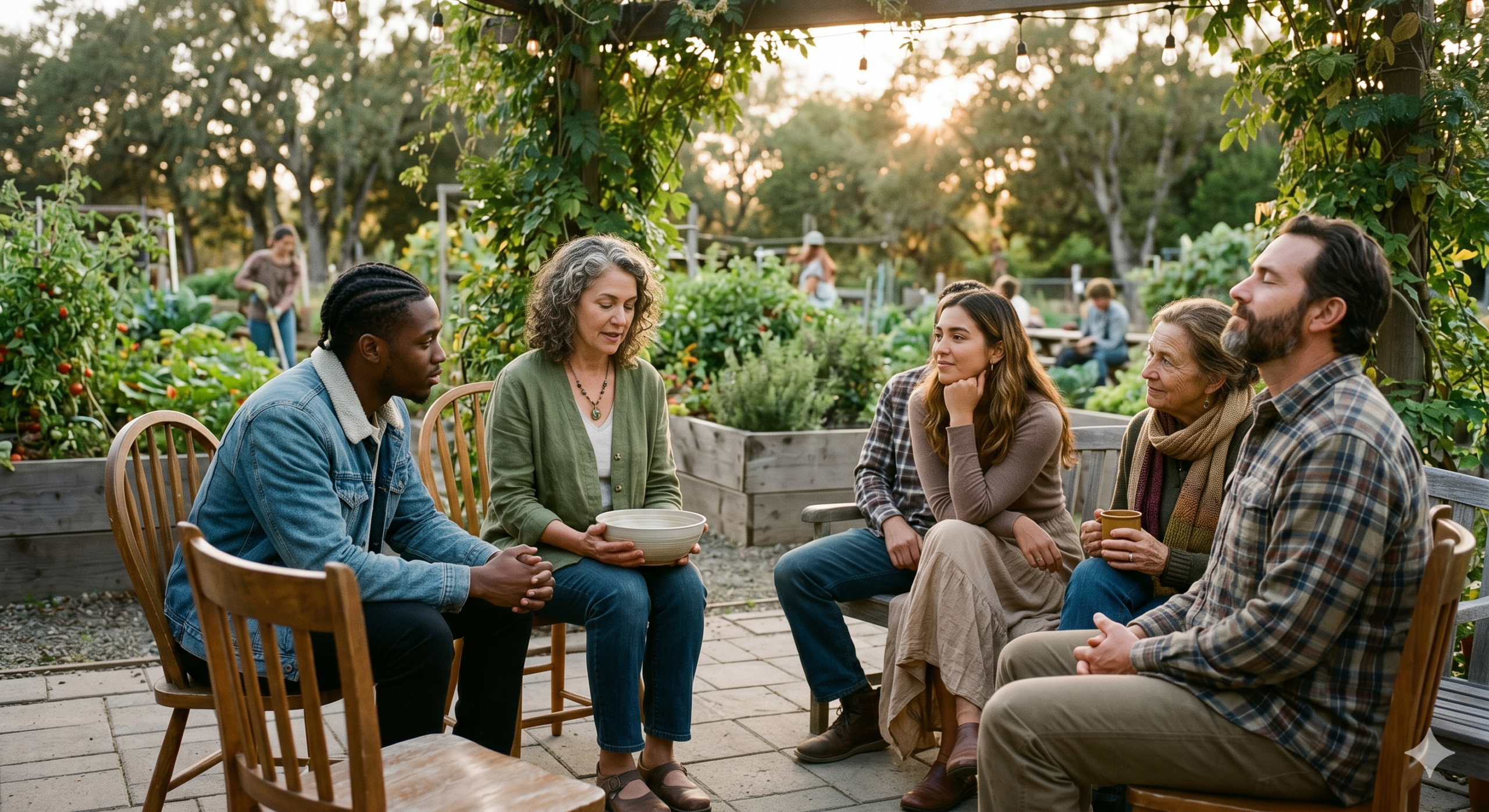
Restorative justice is a practice aimed at repairing the harm caused by crime. Rather than focusing on punishment, restorative justice focuses on dialogue between victims, perpetrators and the community. The goal is to create understanding, take responsibility and promote recovery.
A future of peace, harmony and love
The future we want to create, a future of peace, harmony and love, is within reach. But we can only achieve this if we work together. Each of us has a role to play. We must set a positive example and advocate for a society that values life, growth and unity.
About Dirk Jan Buter
I am a software developer, programmer, and the founder of Yvonta, based in Zwolle, The Netherlands. With a deep passion for low-level systems, custom software architecture, and the evolving intersection of AI and human digital persistence, I spend my time building specialized tools and exploring the technical and philosophical boundaries of digital autonomy.
Writing and publishing are central to my work, but navigating them comes with a unique challenge: I live with dyslexia. To bridge the gap between complex architectural ideas and clear communication, I use AI as an active co-writer and editorial partner. This collaboration allows me to focus fully on the core concepts, logic, and perspective of my writing, ensuring my technical insights and independent editorial projects are shared with clarity and precision.
Frequently Asked Questions
16 questions
The article references Sam Bankman-Fried, a crypto fraudster reported in the newspaper. He received a 25-year prison sentence under today's standards of high penalties. This case exemplifies how trials typically result in punishment involving money, years of life, or even the death penalty.
The newspaper reported that Sam Bankman-Fried will spend 25 years in prison. This sentence is presented as typical of current high-penalty approaches. The article uses it to highlight that time seems to have stood still in justice systems.
The article states that punishment with money, years, or death perpetuates cycles of violence and revenge. It is inhumane and deprives society of opportunities to learn and grow. This approach traps people instead of allowing healing and positive contributions.
Restorative justice is proposed as a better and more moderate alternative focused on rehabilitation. It emphasizes healing wounds caused by crime through dialogue among victims, perpetrators, and the community. The goal is understanding, responsibility, and recovery rather than revenge.
High penalties or killing as punishment are viewed as inhumane because they continue cycles of violence. They prevent societal learning and growth by prioritizing revenge over healing. This focus misses chances for rehabilitation and positive change.
Rehabilitation and education enable criminals to right their wrongs and become meaningful citizens. It recognizes the power of people to make positive contributions to society even after crimes. This shifts from punishment to allowing growth and societal benefit.
Empathy is described as the key to understanding why people commit crimes and the causes of conflicts. By empathizing with motives, solutions can focus on healing and peace instead of punishment. It requires openness to others' experiences even when disagreeing with actions.
Understanding motives allows finding solutions centered on healing and peace rather than revenge. The article stresses that empathy helps identify root causes of conflicts. This understanding supports building bridges through dialogue.
Dialogue is crucial for resolving conflicts by enabling open and honest communication. Listening to different perspectives helps build bridges and collaborate on solutions that work for everyone. It serves as the road to peace even amid disagreements.
Restorative justice involves dialogue between victims, perpetrators, and the community. This practice aims at repairing harm rather than focusing on punishment. Participants work toward understanding, taking responsibility, and promoting recovery.
The primary goal is to repair the harm caused by crime through dialogue and understanding. It emphasizes taking responsibility and promoting recovery for all involved. Unlike punishment, it seeks healing instead of perpetuating cycles of violence.
The article envisions a future of peace, harmony, and love that is within reach. This future requires working together with each person playing a positive role. It values life, growth, and unity over punishment and revenge.
Each person must set a positive example and advocate for values of life, growth, and unity. The article notes that collective effort is essential to achieve peace and harmony. Everyone contributes by supporting healing and rehabilitation.
It focuses on high sentences and revenge, which perpetuate violence instead of allowing growth. The article argues this approach has not evolved and misses opportunities for societal learning. Rehabilitation offers a way out of these cycles.
Society should value healing, rehabilitation, empathy, and dialogue to focus on recovery. These enable criminals to contribute positively and resolve conflicts peacefully. The emphasis is on growth and unity for a better future.
Yes, the article recognizes the power of people to make positive contributions even after crimes. Rehabilitation and education support this by allowing them to right wrongs and become meaningful citizens. This contrasts with punishment that prevents such growth.
Generated by AI to give you complete answers about this topic.
Leave a Reply