Why read this: "Discover how a simple DNA test unlocked life-changing insights into hidden health risks, and how you can do the same."
In this personal account, the author shares their 23andMe experience, from surprising ancestry revelations and Neanderthal DNA to a key genetic predisposition for diabetes, plus the exact lifestyle steps now guiding their prevention strategy. You'll learn why genotyping your saliva sample delivers actionable health predictions far beyond basic ancestry reports, empowering you to spot vulnerabilities early. Don't wait for symptoms, read this to see how DNA knowledge turns uncertainty into proactive power, potentially sparing you future misery through smarter diet, exercise, and habits tailored to your unique genetics.
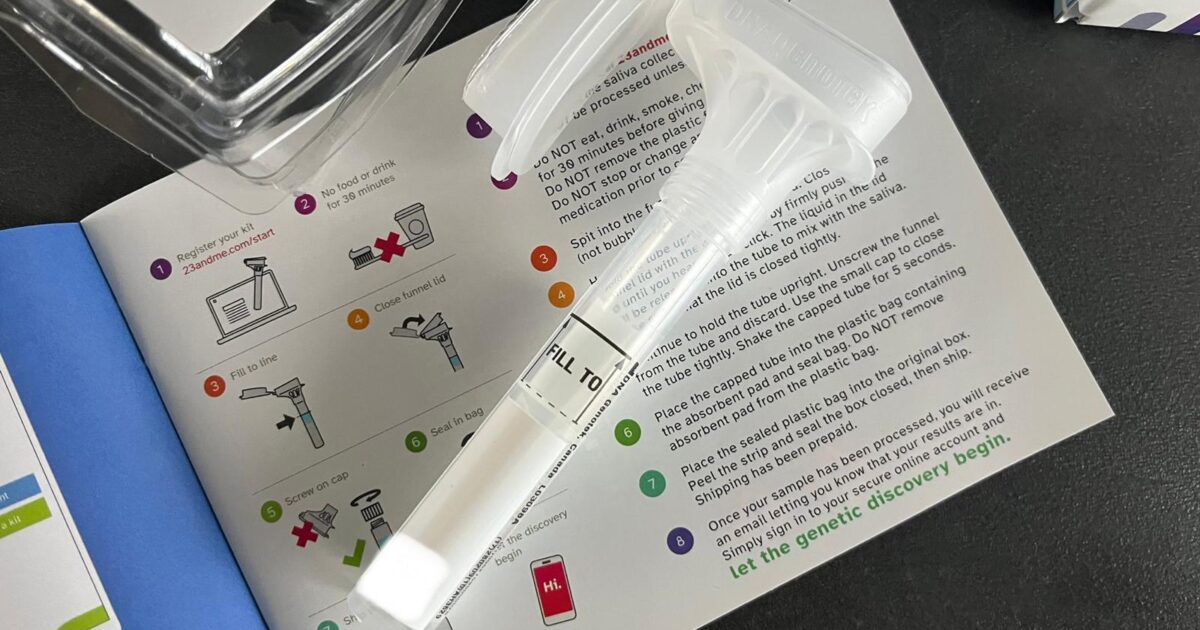
I had wanted to have my DNA tested for a long time to learn more about my genetic mutations and ancestry. In this way, I wanted to discover the weaknesses in my DNA profile and take preventive measures. That is why I had my DNA tested via 23andMe.
I was full of anticipation and curiosity as I waited for the results. What if I had a mutation that could affect my life? What if I had a condition that I did not know I had? My tests yielded several results that caught my attention. We will discuss these in detail below. But first, a brief introduction to 23andMe.
23andMe
23andMe is a genetic testing service that gives users detailed insights into their genetic makeup. The service includes reports on ancestry, traits, and, most crucially, health predictions. The health reports analyze specific genetic variants that are associated with various conditions. From common diseases like type 2 diabetes and cardiovascular disease to rare genetic conditions.
At 23andMe, they test with a simple saliva sample. This sample is characterized using genotyping, in which specifically selected parts of the DNA are analyzed with a specially developed DNA chip. So, the entire DNA is not tested, but specific genetic markers are examined to create a profile.
Results
The most surprising revelation was that I have more Neanderthal DNA than others. This unexpected discovery put a humorous twist on the serious business of genetic testing. My origins were also a particular result: I am a true Dutchman according to my DNA, although people often ask if I have a foreign background.
The information about my mutations and possible future conditions was excellent. Only one significant finding emerged: a genetic predisposition to diabetes. Other mutations found in my DNA are related to conditions that I have a minimal chance of developing.
Preventing Diabetes
Now, armed with this knowledge, I feel a sense of relief. So that was not so bad at all! Now, I can take proactive steps to prevent diabetes. While I can’t say I’m a big fan of exercise, it’s clear that it’s crucial to my health. This new insight is a powerful motivator for being more health conscious.
I looked up what I should do to prevent type 2 diabetes:
Adopt a healthy lifestyle and eat a balanced diet with fiber, vegetables, and fruits.
Limit sugary and processed foods.
Exercise regularly; at least 30 minutes of moderate exercise per day.
Maintain a healthy weight and avoid being overweight.
Limit alcohol consumption and don’t smoke.
Check your blood sugar regularly, especially if you have a family history of diabetes.
Reduce stress by using relaxation techniques such as meditation or yoga.
Get enough sleep, as lack of sleep can increase your risk of diabetes.
See a doctor for regular checkups and discuss any concerns you may have about your risk of diabetes.
Analyzing the data
The information on 23andMe is just a sample of all the results. It is possible to gain even more insights by downloading the raw data. I understand that sharing raw genetic data carries potential risks for privacy and misuse. That is why I have decided not to make my data available here. If you are going to test your DNA, you can compare the raw data with different genes of other genetic diseases or conditions on the web. An example is this site: https://www.snpedia.com/
Experience
My experiences with 23andMe have been generally positive. Waiting for the results requires patience, but the excitement and insights you eventually receive make it worth it. For example, being able to identify an increased risk of diabetes allows me to take preventive measures.
Conclusion
It would be suitable for everyone to consider having their DNA tested seriously. This can prevent future misery and help them adapt their lifestyle to their unique genetic makeup. Testing my DNA makes me wiser and more aware of my genetic risks. This helps me to live healthier. Because prevention is better than cure.
About Dirk Jan Buter
I am a software developer, programmer, and the founder of Yvonta, based in Zwolle, The Netherlands. With a deep passion for low-level systems, custom software architecture, and the evolving intersection of AI and human digital persistence, I spend my time building specialized tools and exploring the technical and philosophical boundaries of digital autonomy.
Writing and publishing are central to my work, but navigating them comes with a unique challenge: I live with dyslexia. To bridge the gap between complex architectural ideas and clear communication, I use AI as an active co-writer and editorial partner. This collaboration allows me to focus fully on the core concepts, logic, and perspective of my writing, ensuring my technical insights and independent editorial projects are shared with clarity and precision.
Frequently Asked Questions
16 questions
The author wanted to learn about genetic mutations and ancestry to identify weaknesses in their DNA profile and take preventive health measures. They chose 23andMe for this purpose after long considering the idea. The goal was to discover any unknown conditions and act proactively.
23andMe is a genetic testing service that provides detailed insights into genetic makeup through reports on ancestry, traits, and health predictions. It analyzes specific genetic variants linked to conditions like type 2 diabetes and cardiovascular disease. Testing uses a simple saliva sample processed via genotyping.
The service uses a saliva sample and genotyping with a specially developed DNA chip to examine specific genetic markers rather than sequencing the entire genome. This creates a profile focused on selected parts of the DNA. It does not test the full DNA sequence but targets relevant markers for ancestry, traits, and health.
The author discovered they have more Neanderthal DNA than average, adding a humorous element to the results. Their DNA also confirmed they are a true Dutchman despite frequent questions about foreign background. These findings were among the most surprising revelations.
The main significant finding was a genetic predisposition to diabetes, specifically type 2. Other mutations identified carried only a minimal chance of developing related conditions. This information allowed the author to focus on prevention strategies.
The author felt a sense of relief that the overall results were not severe and viewed the knowledge as empowering. It motivated them to adopt a healthier lifestyle despite not being a fan of exercise. The insight served as a powerful driver for being more health-conscious.
Recommendations include adopting a healthy lifestyle with a balanced diet rich in fiber, vegetables, and fruits while limiting sugary and processed foods. Regular exercise of at least 30 minutes daily, maintaining a healthy weight, limiting alcohol, and not smoking are advised. Additional steps cover regular blood sugar checks, stress reduction via meditation or yoga, sufficient sleep, and routine doctor visits.
The author notes that sharing raw genetic data carries potential risks for privacy and misuse. For this reason, they chose not to make their own data publicly available. Users are still encouraged to explore comparisons on external sites if they test.
Users can download raw data from 23andMe and compare it against genes associated with other conditions on websites such as SNPedia. This allows deeper exploration beyond the standard reports. The article highlights this as a way to gain more insights into genetic risks.
The author describes their experiences as generally positive, noting that the patience required while waiting for results is rewarded by valuable insights. Identifying the diabetes risk enabled proactive prevention steps. They found the process worthwhile for increased health awareness.
The article concludes that everyone should seriously consider DNA testing to prevent future health issues and adapt lifestyles to their genetic makeup. Testing makes individuals wiser about risks and supports healthier living. The author emphasizes that prevention is better than cure.
The diabetes predisposition finding motivated the author to prioritize exercise and other healthy habits despite previous reluctance. It provided a powerful incentive to become more health-conscious overall. The knowledge turned abstract risks into actionable prevention.
Reports cover common diseases such as type 2 diabetes and cardiovascular disease as well as rare genetic conditions. The service focuses on specific variants associated with these issues. This provides users with predictive health information from targeted markers.
The test did not reveal any unknown existing conditions but highlighted future risks like diabetes predisposition. Results focused more on potential issues and ancestry details. The author felt relief that nothing severe was indicated.
The article shows that DNA testing does not sequence the entire genome but uses targeted genotyping for specific markers. It also clarifies that results provide risk insights rather than definitive diagnoses of current illnesses. Users gain actionable prevention knowledge rather than alarming certainties.
The author recommends downloading raw data to cross-reference with external databases for additional genetic conditions. This extends insights while cautioning about privacy. Such analysis helps tailor lifestyle adjustments to a fuller genetic profile.
Generated by AI to give you complete answers about this topic.
* **Services:** AI clones (voice/video), real-time 3D avatar implementation, custom software development, the Yvonta News Platform, and **trade**.
* **Input Data:** Audio, video, or images provided by the client for AI processing.
#### 2. Delivery and acceptance of the service
* **2.1. Best effort:** AI services, the Yvonta News Platform, and trade services are provided on a "best effort" basis. Technical artifacts, minor deviations in likeness, fluctuations in automated content aggregation, or market data latency are inherent to the technology and do not constitute a defect.
* **2.2. Acceptance period:** Custom software and 3D models are deemed accepted if the client does not report specific bugs in writing within 7 days of delivery.
* **2.3. Third-party dependency:** Yvonta frequently utilizes third-party API providers (e.g., AI engines, cloud hosting, news feeds, financial exchange data). Yvonta is not liable for service interruptions, execution failures, or data accuracy issues caused by these third parties.
#### 3. Intellectual property & ethical use
* **3.1. Ownership:** Yvonta retains all rights to its proprietary code, training methods, and base 3D models. The client receives a license for the final result.
* **3.2. Right of likeness:** The client guarantees that they possess the rights to the voice/face being cloned. Yvonta is not obliged to verify these rights but may request proof.
* **3.3. Termination due to misuse:** Yvonta reserves the right to terminate any agreement immediately and without refund if the client uses the services for:
* Generating deepfakes without consent.
* Illegal, hateful, or pornographic content.
* Impersonation for fraudulent purposes.
* Spreading verified misinformation or unauthorized scraping via the News Platform.
* **3.4. Compliance Responsibility:** The Client warrants that their use of the Yvonta News Platform and trade services complies with applicable media laws, financial regulations, copyright regulations, and privacy rules (e.g., GDPR).
#### 4. Liability (The "Shield" clauses)
* **4.1. Financial limit:** Yvonta’s total liability is strictly limited to the amount paid by the Client for the relevant project.
* **4.2. No indirect damages:** Yvonta is in no event liable for loss of profit, loss of data, or consequential damages (e.g., if the Client’s client cancels a contract due to a bug in Yvonta’s software, a failure in the News Platform feed, or financial losses incurred through trade).
* **4.3. Indemnification:** The Client indemnifies Yvonta against all legal costs and damages arising from third-party claims regarding the Input Data, the content published via the News Platform, financial activities conducted via trade, or the Client’s use of the AI output.
* **4.4. Content and Market Disclaimer:** Yvonta acts as the host and provider of the Yvonta News Platform and trade services. The Client is solely responsible for the compliance of published content with local laws and the financial risk associated with trading activities. Yvonta is not liable for damages arising from content accuracy, the legal status of aggregated/generated news, or investment results.
* **4.5. Duty of Human Oversight:** The Client is responsible for maintaining "human-in-the-loop" oversight for all AI-generated content and financial trading parameters before execution or public release. Failure to perform such oversight relieves Yvonta of liability for damages resulting from incorrect information or financial loss.
#### 5. Payments & Maintenance
* **5.1. Payment terms:** Net 14 days from the invoice date, unless stated otherwise.
* **5.2. Suspension:** In the event of overdue payment, Yvonta may remotely block access to the software, the News Platform, trade services, or AI services until the outstanding amount has been paid.
#### 6. Privacy (GDPR)
* **6.1. Biometric data:** The Client acknowledges that AI clones involve the processing of biometric data. The Client is the "Data Controller" and Yvonta is the "Data Processor."
* **6.2. Deletion:** Yvonta deletes the raw input data after completion of the training process, unless agreed otherwise for maintenance purposes.
#### 7. Law and jurisdiction
* **7.1. Governing law:** These terms are governed by Dutch law.
* **7.2. Court:** Any disputes shall be settled exclusively by the competent court in Zwolle, the Netherlands.
Leave a Reply