Why read this: "What if the secret to a healthier, happier home isn’t in grand reforms, but in the everyday habits your kitchen, bathroom, and bedroom already hide?"
This article reveals the surprisingly simple home hacks India and the Netherlands can steal from each other: earlier dinners that protect your metabolism, water over toilet paper for true hygiene, ditching all-night ceiling fans for cleaner air, fresh local markets versus processed supermarket convenience, and even building real equality under one roof.
Packed with practical, immediately usable tips drawn from real cross-cultural living, it shows exactly how small daily swaps deliver bigger energy, better health, and more comfort, without overhauling your life.
Read it now and start upgrading the rooms you actually live in.
If you spend a month living with an Indian family, like my in-laws, you notice a lot of things that could be better. But it goes both ways. We usually talk about big things like the economy or public transport when comparing countries. However, the real lessons happen in daily life: in the kitchen, the bedroom, and our everyday habits.
Here are a few simple tips that Indian and Dutch households can steal to live healthier and more comfortably.
1. Stop Eating Late at Night
The problem in India: Dinner is often late, heavy, and eaten at different times by different family members, right before bedtime. Why it’s bad: Eating big meals late forces your digestive system to work hard when your body should be resting, which can lead to weight gain and diabetes. What to do:
Eat earlier: Have your biggest meal at least three hours before you sleep and try to make dinner a fun, shared family time.
Give your gut a break: Fast for 12 to 14 hours overnight to keep your blood sugar stable and let your body clean itself out.
2. Kitchen Routines: Local Shops vs. Supermarkets
The difference: In the Netherlands, massive supermarkets sell the exact same processed foods everywhere. It is convenient, but not very healthy. In India, people buy fresh spices, veggies, and milk from local street vendors and small shops. It is natural and healthy, but cooking everything from scratch three times a day takes a lot of time. What to do:
For India: Prep your food in advance, chop veggies early or make base sauces ahead of time to save hours in the kitchen.
For the Netherlands: Skip the giant supermarkets sometimes. Look for local farmers’ markets, organic shops, or small neighborhood stores to get fresh, real food and better spices.
3. Clean with Water, Not Just Paper
The difference: In the Netherlands, people rely entirely on dry toilet paper after using the bathroom. In India, using water is the standard practice for personal cleanliness. Why it’s better: Using water is significantly more hygienic. Dry paper only smears residue and can cause skin irritation, whereas water cleans thoroughly and gently. What to do:
Upgrade your bathroom: Install a bidet sprayer or a washlet toilet seat. It uses less paper, feels fresher, and provides a much higher standard of hygiene.
4. Rethink the Ceiling Fan
The problem in India: Ceiling fans run all night long to beat the heat and keep bugs away. Why it’s bad: Fans don’t actually cool the room, they just blow air around. At the same time, they stir up dust, pet hair, and allergens all night right into your lungs. What to do:
Cleaner air: Use a modern air conditioner combined with a HEPA air purifier in your bedroom instead of relying only on a fan.
Use a mosquito net: Put a net over your bed so you don’t have to breathe in stirred-up dust or use harsh chemical bug sprays.
5. Cut Down on Sugary Drinks
The problem in India: People drink sweet milk tea (chai) or sugary drinks all day long. What to do:
Swap your drinks: Switch those sugary snacks and drinks for herbal tea, green tea, or plain water. Save sweet drinks for an occasional treat.
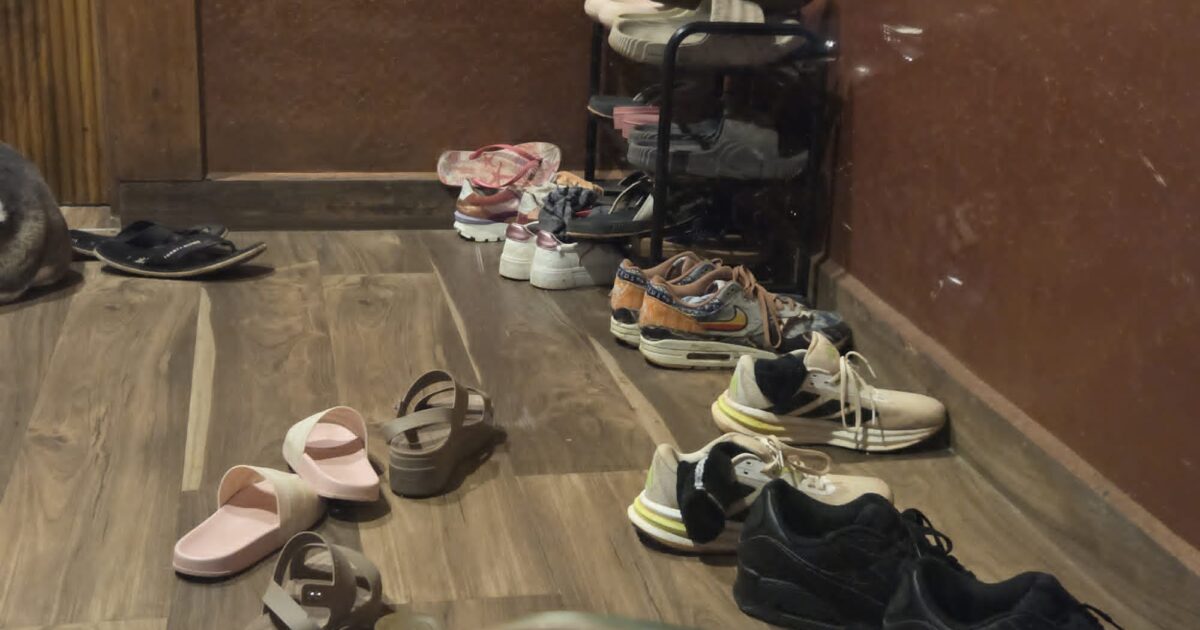
6. Leave Your Shoes at the Door
The difference: Indian homes have a strict “no shoes inside” rule to keep outdoor dirt out. Dutch homes vary a lot more. What to do:
Keep floors clean: Always take your shoes off at the door. It stops dust and outdoor dirt from spreading where you and your kids walk and breathe.
7. Social Air Quality: Equality at Home
The problem: We care about clean air, but what about the social vibe at home? In India, old habits like the caste system or preferring lighter skin still pop up. The Netherlands also has issues, but generally values equality. What to do:
Speak up at home: Make sure everyone in your family knows that all people are equal. Shut down casual comments about skin color or background, and celebrate diversity. A healthy home needs a positive, safe social environment just as much as clean air.
Small Habits Change Everything
Living in India for a month completely changed my perspective. Big government plans make the news, but real life happens at home: what time you eat, how you clean yourself, whether you take your shoes off, and how you treat people.
Whether it is eating earlier, upgrading bathroom hygiene, or just being kinder and more open, India and the Netherlands have a lot to learn from each other right at the dinner table.
About Dirk Jan Buter
I am a software developer, programmer, and the founder of Yvonta, based in Zwolle, The Netherlands. With a deep passion for low-level systems, custom software architecture, and the evolving intersection of AI and human digital persistence, I spend my time building specialized tools and exploring the technical and philosophical boundaries of digital autonomy.
Writing and publishing are central to my work, but navigating them comes with a unique challenge: I live with dyslexia. To bridge the gap between complex architectural ideas and clear communication, I use AI as an active co-writer and editorial partner. This collaboration allows me to focus fully on the core concepts, logic, and perspective of my writing, ensuring my technical insights and independent editorial projects are shared with clarity and precision.
Frequently Asked Questions
16 questions
Dinner in India is often eaten late, heavy, and at different times by family members, sometimes right before bedtime. This habit forces the digestive system to work hard during rest periods, contributing to weight gain and diabetes risk. The article recommends having the biggest meal at least three hours before sleep and making dinner a shared family activity.
The article suggests fasting for 12 to 14 hours overnight after an early dinner. This practice helps stabilize blood sugar levels and allows the body to perform natural cleaning processes. It is presented as a simple way to give the gut a break and support overall health.
Dutch households often rely on large supermarkets selling processed foods that are convenient but less healthy. In contrast, Indian families typically buy fresh spices, vegetables, and milk from local vendors, which is natural but time-consuming to cook from scratch. The article suggests both sides can improve by adopting elements from the other.
Indian families should prep food in advance by chopping vegetables early or making base sauces ahead of time. This reduces the hours spent cooking three meals a day from scratch. The goal is to maintain the freshness of local ingredients while making routines more efficient.
Dutch residents should occasionally skip giant supermarkets in favor of local farmers' markets, organic shops, or small neighborhood stores. This provides access to fresher, real food and better spices instead of processed items. The article highlights this as a way to improve diet quality.
Ceiling fans do not actually cool the room but only move air around, while stirring up dust, pet hair, and allergens into the lungs all night. They are commonly used to beat heat and repel bugs but create ongoing air quality issues. Alternatives like air conditioners with HEPA purifiers are suggested instead.
Using a mosquito net over the bed prevents the need for harsh chemical sprays while keeping insects away. Combined with an air conditioner and purifier, this approach reduces exposure to stirred-up dust and allergens. It promotes cleaner air during sleep.
Drinking sweet milk tea (chai) or sugary drinks throughout the day is highlighted as a problem. These beverages contribute to excessive sugar intake and related health issues. The article recommends swapping them for herbal tea, green tea, or plain water, reserving sweets for occasional treats.
Indian homes enforce a strict no-shoes-inside rule to prevent outdoor dirt from entering. Dutch homes show more variation in this practice. The article advises everyone to adopt the Indian approach for cleaner floors and reduced dust spread where families walk and breathe.
Old habits like the caste system or preferences for lighter skin can still appear in Indian households, affecting the social environment. The Netherlands generally values equality more strongly in daily life. The article emphasizes addressing these through open family discussions to create a positive home atmosphere.
Family members should speak up to ensure everyone knows all people are equal and shut down casual comments about skin color or background. Celebrating diversity helps build a safe social environment. This is presented as equally important to physical factors like clean air.
Big topics like economy or transport dominate country comparisons, but real improvements occur in daily home habits such as eating times, cleaning routines, and social interactions. Small changes like eating earlier or removing shoes can lead to healthier living. The author notes that living in India for a month shifted their perspective on these practical swaps.
A modern air conditioner paired with a HEPA air purifier is recommended for bedrooms to replace constant fan use. This combination improves air quality by reducing allergens without stirring dust. It addresses both heat and bug concerns more effectively than fans alone.
Many assume ceiling fans cool rooms and keep bugs away safely, but they only circulate air without lowering temperature. They also spread allergens continuously during sleep. The article clarifies this to encourage better alternatives like nets and purifiers.
Eating earlier as a group turns dinner into a positive social activity rather than a rushed, late meal. This supports digestive health by allowing at least three hours before bedtime. It also fosters family bonding alongside the health benefits of earlier eating.
Habits like meal timing, kitchen prep, air quality choices, and inclusive attitudes at home can significantly improve health and comfort. These everyday actions matter more than large government plans in daily life. Both India and the Netherlands can benefit by learning from each other's practices.
Generated by AI to give you complete answers about this topic.
* **Services:** AI clones (voice/video), real-time 3D avatar implementation, custom software development, the Yvonta News Platform, and **trade**.
* **Input Data:** Audio, video, or images provided by the client for AI processing.
#### 2. Delivery and acceptance of the service
* **2.1. Best effort:** AI services, the Yvonta News Platform, and trade services are provided on a "best effort" basis. Technical artifacts, minor deviations in likeness, fluctuations in automated content aggregation, or market data latency are inherent to the technology and do not constitute a defect.
* **2.2. Acceptance period:** Custom software and 3D models are deemed accepted if the client does not report specific bugs in writing within 7 days of delivery.
* **2.3. Third-party dependency:** Yvonta frequently utilizes third-party API providers (e.g., AI engines, cloud hosting, news feeds, financial exchange data). Yvonta is not liable for service interruptions, execution failures, or data accuracy issues caused by these third parties.
#### 3. Intellectual property & ethical use
* **3.1. Ownership:** Yvonta retains all rights to its proprietary code, training methods, and base 3D models. The client receives a license for the final result.
* **3.2. Right of likeness:** The client guarantees that they possess the rights to the voice/face being cloned. Yvonta is not obliged to verify these rights but may request proof.
* **3.3. Termination due to misuse:** Yvonta reserves the right to terminate any agreement immediately and without refund if the client uses the services for:
* Generating deepfakes without consent.
* Illegal, hateful, or pornographic content.
* Impersonation for fraudulent purposes.
* Spreading verified misinformation or unauthorized scraping via the News Platform.
* **3.4. Compliance Responsibility:** The Client warrants that their use of the Yvonta News Platform and trade services complies with applicable media laws, financial regulations, copyright regulations, and privacy rules (e.g., GDPR).
#### 4. Liability (The "Shield" clauses)
* **4.1. Financial limit:** Yvonta’s total liability is strictly limited to the amount paid by the Client for the relevant project.
* **4.2. No indirect damages:** Yvonta is in no event liable for loss of profit, loss of data, or consequential damages (e.g., if the Client’s client cancels a contract due to a bug in Yvonta’s software, a failure in the News Platform feed, or financial losses incurred through trade).
* **4.3. Indemnification:** The Client indemnifies Yvonta against all legal costs and damages arising from third-party claims regarding the Input Data, the content published via the News Platform, financial activities conducted via trade, or the Client’s use of the AI output.
* **4.4. Content and Market Disclaimer:** Yvonta acts as the host and provider of the Yvonta News Platform and trade services. The Client is solely responsible for the compliance of published content with local laws and the financial risk associated with trading activities. Yvonta is not liable for damages arising from content accuracy, the legal status of aggregated/generated news, or investment results.
* **4.5. Duty of Human Oversight:** The Client is responsible for maintaining "human-in-the-loop" oversight for all AI-generated content and financial trading parameters before execution or public release. Failure to perform such oversight relieves Yvonta of liability for damages resulting from incorrect information or financial loss.
#### 5. Payments & Maintenance
* **5.1. Payment terms:** Net 14 days from the invoice date, unless stated otherwise.
* **5.2. Suspension:** In the event of overdue payment, Yvonta may remotely block access to the software, the News Platform, trade services, or AI services until the outstanding amount has been paid.
#### 6. Privacy (GDPR)
* **6.1. Biometric data:** The Client acknowledges that AI clones involve the processing of biometric data. The Client is the "Data Controller" and Yvonta is the "Data Processor."
* **6.2. Deletion:** Yvonta deletes the raw input data after completion of the training process, unless agreed otherwise for maintenance purposes.
#### 7. Law and jurisdiction
* **7.1. Governing law:** These terms are governed by Dutch law.
* **7.2. Court:** Any disputes shall be settled exclusively by the competent court in Zwolle, the Netherlands.

Leave a Reply