Why read this: "What if your next bite of dinner could never again steal your breath?" This article exposes the bizarre evolutionary design flaw that forces humans to breathe and eat through the same dangerous pathway, leaving us one misplaced crumb away from panic. It dives into why our ancestors stuck us with this risky setup, contrasts it with the elegant solutions of whales and fish, and boldly imagines built-in “snorkels” or chest gills that could make choking obsolete while transforming how we talk, taste, and live. You must read it to discover the surprising pros, cons, and mind-bending insights that will forever change how you see your own body.
Imagine you are sitting at a pleasant dinner, laughing, when suddenly a piece of bread goes the wrong way. In the blink of an eye, joy turns into panic. You cough and gasp for air, but your airway is blocked. This all-too-familiar scenario illustrates a major biological flaw: our respiratory system is awkwardly put together from a design perspective. It is strange that we breathe through the same passage we use to eat. Yet, this arrangement exists because our vertebrate ancestors evolved to combine these pathways, allowing air and food to travel through the same opening for efficiency during development. For millions of years, this dual-use system persisted, even though it now makes us vulnerable to suffocation.
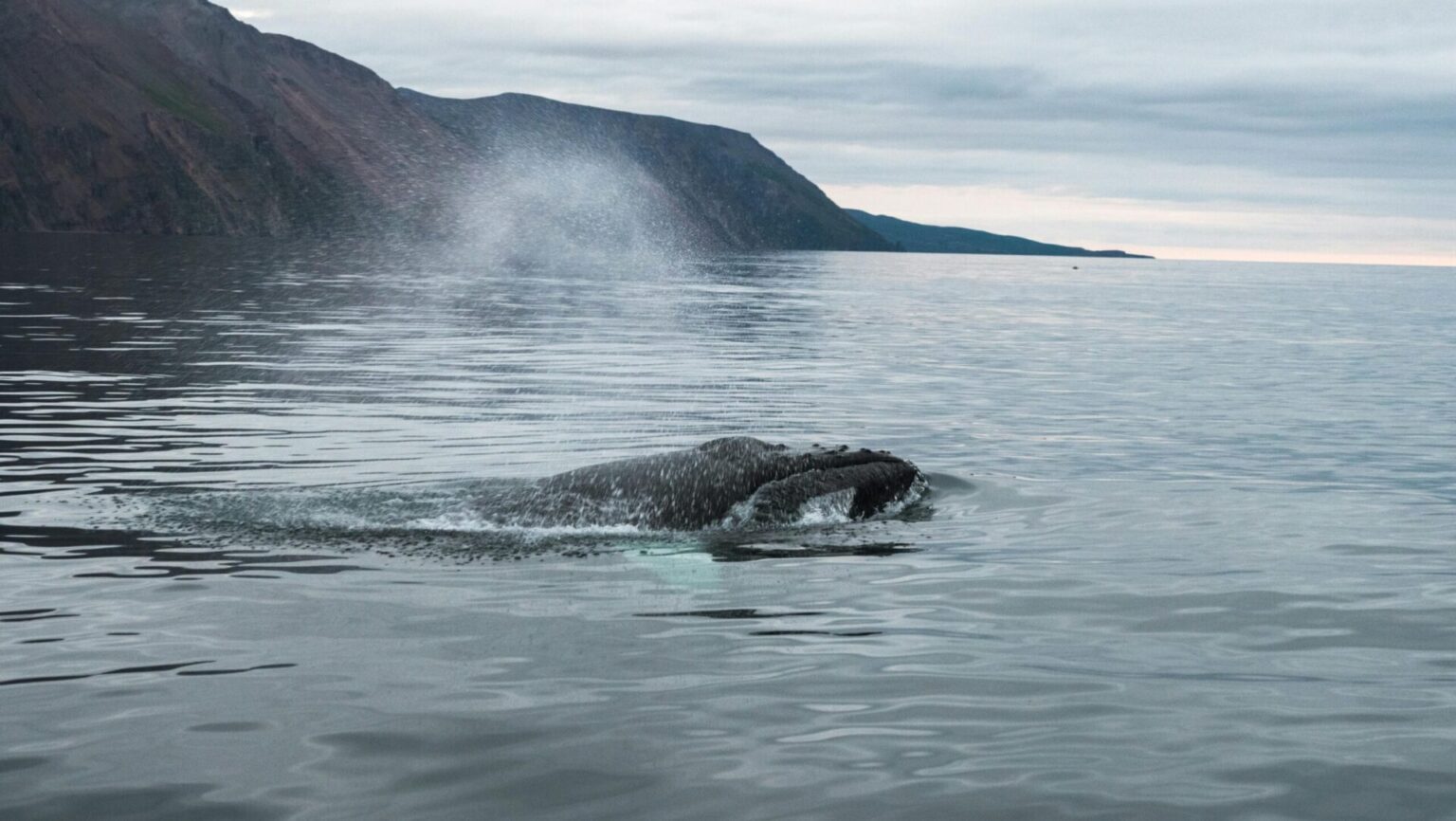
The biggest problem is the illogical position of our air intake. The mouth and nose are located far from the lungs, and air must pass through the pharynx, a busy junction shared by food and drink. The esophagus and trachea share an entrance, making suffocation a constant risk. If the epiglottis malfunctions, the airway becomes completely blocked. In our current setup, air follows a long, dangerous route to the blood. By comparison, dolphins and whales have a blowhole on top of their heads that is used exclusively for breathing. This keeps breathing and eating completely separate, enabling them to catch and swallow food without risking water entering their lungs. Fish also have gills dedicated solely to respiration, allowing them to breathe continuously even while eating. Fish face very different respiratory challenges because water is much denser and contains less oxygen than air, which has influenced the evolution of their respiratory systems.
In humans, the path of air from the nose and mouth to the lungs might seem less direct, but this design reflects the adaptation to breathing air rather than water. This is where the idea of human gills becomes intriguing. Imagine sophisticated openings on the chest, directly above the lungs. The safety benefits would be enormous, as choking on food would no longer be possible. One could eat, talk, and breathe separately. Moreover, the shorter route would reduce the effort required to breathe. Of course, this is a speculative concept, as humans do not possess the genetic structures necessary to develop functional gills. There is currently no scientific evidence that humans can naturally evolve true gills for breathing. Nevertheless, exploring this possibility helps us understand the limitations of our biology and shows how alternative anatomical arrangements could solve real problems.
Breathing through your side could have a calming effect and help with practical matters, such as a stuffy nose during a cold. Our mouth is currently a multitasker used for eating, talking, kissing, and breathing. With gills, the mouth could focus on expression and feeding, while breathing became an effortless, invisible process, far removed from the turmoil in the throat. Naturally, shifting breathing to gills could come with disadvantages. Gills would claim space in the chest cavity, potentially affecting the structure of our rib cage and even changing the way we speak or eat. For example, some vocal sounds depend on airflow through the mouth and nose, which could alter speech. Even the experience of taste could be different, since smell and taste are closely linked to breathing through the mouth. These potential consequences are worth considering, even while we daydream about the benefits.
About Dirk Jan Buter
I am a software developer, programmer, and the founder of Yvonta, based in Zwolle, The Netherlands. With a deep passion for low-level systems, custom software architecture, and the evolving intersection of AI and human digital persistence, I spend my time building specialized tools and exploring the technical and philosophical boundaries of digital autonomy.
Writing and publishing are central to my work, but navigating them comes with a unique challenge: I live with dyslexia. To bridge the gap between complex architectural ideas and clear communication, I use AI as an active co-writer and editorial partner. This collaboration allows me to focus fully on the core concepts, logic, and perspective of my writing, ensuring my technical insights and independent editorial projects are shared with clarity and precision.
Frequently Asked Questions
16 questions
The article describes sitting at dinner, laughing, when a piece of bread goes down the wrong way, turning joy into panic as the airway blocks. This highlights how the shared pathway for air and food creates a constant choking risk. It shows the vulnerability of our current respiratory design in a relatable way.
The arrangement stems from vertebrate ancestors evolving to combine these pathways for efficiency during development. This dual-use system persisted for millions of years despite the risks it creates today. It allows air and food to travel through the same opening but leaves us prone to suffocation.
The mouth and nose sit far from the lungs, forcing air through the pharynx, a busy junction shared with food and drink. The esophagus and trachea share an entrance, so any malfunction of the epiglottis can fully block the airway. This long, dangerous route increases the risk of choking compared to more direct systems.
They have a blowhole on top of their heads used exclusively for breathing, keeping respiration separate from eating. This allows them to catch and swallow food without water entering their lungs. The article contrasts this dedicated system with the human shared pathway.
Fish possess gills dedicated solely to respiration, letting them breathe continuously even while eating. Their systems evolved to handle water's lower oxygen content and higher density. This separation eliminates the dual-use conflict present in human anatomy.
Sophisticated chest openings directly above the lungs would separate breathing from eating and talking, eliminating choking risks. A shorter air route would reduce breathing effort and free the mouth for other functions. This speculative design solves real problems caused by our current anatomy.
It could provide a calming effect and help during issues like a stuffy nose from a cold. Breathing would become an effortless, invisible process away from throat activity. The mouth could then focus solely on eating, talking, and other expressions.
No, the article states there is currently no scientific evidence that humans can naturally evolve functional gills for breathing air. We lack the necessary genetic structures to develop them. The idea remains purely speculative to highlight biological limitations.
Gills would occupy space in the chest cavity, possibly altering rib cage structure and affecting speech or eating. Vocal sounds that rely on airflow through the mouth and nose might change. Taste perception could also shift since smell and taste link closely to mouth breathing.
Smell and taste are closely tied to breathing through the mouth, so shifting respiration to gills could alter these senses. The article notes this as one consequence worth considering alongside benefits. Everyday enjoyment of food might feel different without nasal airflow.
Water's greater density and lower oxygen content shaped fish to develop specialized gills for continuous breathing. Humans adapted instead to air breathing, resulting in a less direct but functional air path. The article explains this as the reason for divergent designs.
When the epiglottis malfunctions, it fails to protect the airway, allowing food or liquid to block the trachea completely. This shared entrance between esophagus and trachea makes suffocation a constant possibility. The article presents it as a critical but imperfect safeguard.
The mouth currently handles eating, talking, kissing, and breathing all at once. With gills, breathing would move to the chest, letting the mouth focus on expression and feeding. This separation would reduce conflicts during daily activities.
It helps us understand the limitations of our biology and how alternative anatomical arrangements could solve real problems like choking. The speculation reveals why our vertebrate heritage created vulnerabilities. Readers gain perspective on evolutionary trade-offs.
The shared passage for air and food creates unnecessary suffocation risks that dedicated systems in other animals avoid. Air must travel a long, risky route through a busy junction rather than directly to the lungs. This design persists from ancient ancestors despite modern dangers.
Many assume our mouth and nose placement is optimal, but the article shows it as an inefficient legacy of evolution that prioritizes developmental efficiency over safety. Comparisons to dolphins and fish highlight how dedicated breathing organs reduce risks. The piece encourages rethinking this as a fixable flaw in design terms.
Generated by AI to give you complete answers about this topic.
* **Services:** AI clones (voice/video), real-time 3D avatar implementation, custom software development, the Yvonta News Platform, and **trade**.
* **Input Data:** Audio, video, or images provided by the client for AI processing.
#### 2. Delivery and acceptance of the service
* **2.1. Best effort:** AI services, the Yvonta News Platform, and trade services are provided on a "best effort" basis. Technical artifacts, minor deviations in likeness, fluctuations in automated content aggregation, or market data latency are inherent to the technology and do not constitute a defect.
* **2.2. Acceptance period:** Custom software and 3D models are deemed accepted if the client does not report specific bugs in writing within 7 days of delivery.
* **2.3. Third-party dependency:** Yvonta frequently utilizes third-party API providers (e.g., AI engines, cloud hosting, news feeds, financial exchange data). Yvonta is not liable for service interruptions, execution failures, or data accuracy issues caused by these third parties.
#### 3. Intellectual property & ethical use
* **3.1. Ownership:** Yvonta retains all rights to its proprietary code, training methods, and base 3D models. The client receives a license for the final result.
* **3.2. Right of likeness:** The client guarantees that they possess the rights to the voice/face being cloned. Yvonta is not obliged to verify these rights but may request proof.
* **3.3. Termination due to misuse:** Yvonta reserves the right to terminate any agreement immediately and without refund if the client uses the services for:
* Generating deepfakes without consent.
* Illegal, hateful, or pornographic content.
* Impersonation for fraudulent purposes.
* Spreading verified misinformation or unauthorized scraping via the News Platform.
* **3.4. Compliance Responsibility:** The Client warrants that their use of the Yvonta News Platform and trade services complies with applicable media laws, financial regulations, copyright regulations, and privacy rules (e.g., GDPR).
#### 4. Liability (The "Shield" clauses)
* **4.1. Financial limit:** Yvonta’s total liability is strictly limited to the amount paid by the Client for the relevant project.
* **4.2. No indirect damages:** Yvonta is in no event liable for loss of profit, loss of data, or consequential damages (e.g., if the Client’s client cancels a contract due to a bug in Yvonta’s software, a failure in the News Platform feed, or financial losses incurred through trade).
* **4.3. Indemnification:** The Client indemnifies Yvonta against all legal costs and damages arising from third-party claims regarding the Input Data, the content published via the News Platform, financial activities conducted via trade, or the Client’s use of the AI output.
* **4.4. Content and Market Disclaimer:** Yvonta acts as the host and provider of the Yvonta News Platform and trade services. The Client is solely responsible for the compliance of published content with local laws and the financial risk associated with trading activities. Yvonta is not liable for damages arising from content accuracy, the legal status of aggregated/generated news, or investment results.
* **4.5. Duty of Human Oversight:** The Client is responsible for maintaining "human-in-the-loop" oversight for all AI-generated content and financial trading parameters before execution or public release. Failure to perform such oversight relieves Yvonta of liability for damages resulting from incorrect information or financial loss.
#### 5. Payments & Maintenance
* **5.1. Payment terms:** Net 14 days from the invoice date, unless stated otherwise.
* **5.2. Suspension:** In the event of overdue payment, Yvonta may remotely block access to the software, the News Platform, trade services, or AI services until the outstanding amount has been paid.
#### 6. Privacy (GDPR)
* **6.1. Biometric data:** The Client acknowledges that AI clones involve the processing of biometric data. The Client is the "Data Controller" and Yvonta is the "Data Processor."
* **6.2. Deletion:** Yvonta deletes the raw input data after completion of the training process, unless agreed otherwise for maintenance purposes.
#### 7. Law and jurisdiction
* **7.1. Governing law:** These terms are governed by Dutch law.
* **7.2. Court:** Any disputes shall be settled exclusively by the competent court in Zwolle, the Netherlands.
Leave a Reply